

If it has been a while since your last visit, the hardest part of a dental check-up is usually booking it. The appointment itself is calmer, quicker, and more useful than most people remember. Here is what a routine check-up actually involves, step by step.
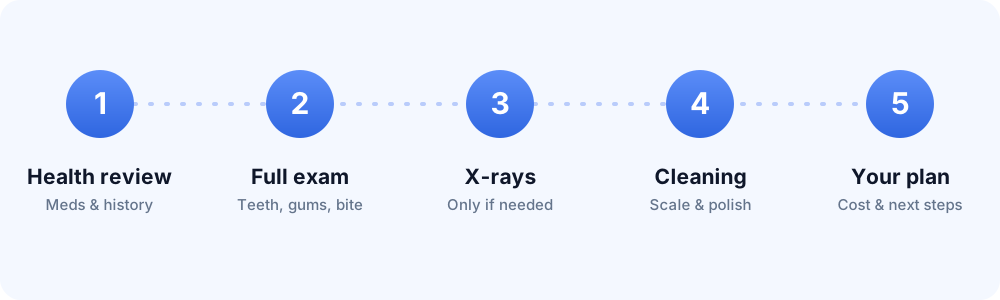
1. A quick health review
Your visit starts with a short conversation, not a drill. The team confirms any changes to your medical history, medications, allergies, and anything that has been bothering you, like sensitivity or a sore spot. This matters more than it sounds: conditions such as diabetes, pregnancy, and heart medication all influence how your mouth is treated.
2. The exam
Next, the dentist examines your teeth, gums, tongue, jaw, and bite. They are checking for cavities, gum inflammation, worn enamel, and early signs of bigger issues. A good clinic also screens for oral cancer during this step, which takes seconds and can catch problems years earlier than you would notice them yourself.
3. X-rays, only if they are needed
X-rays are not automatic at every visit. They are recommended when the dentist needs to see between teeth or below the gumline, or when it has been a year or more since your last set. Modern digital X-rays use a very low dose of radiation and show up on screen instantly.
4. The cleaning
A hygienist removes plaque and hardened tartar that brushing cannot reach, then polishes your teeth and reviews your brushing and flossing technique. This is the part that leaves your mouth feeling noticeably smoother, and it is the single most effective way to prevent gum disease.
5. Your plan and your cost
Finally, you get a clear picture of where your oral health stands and what, if anything, comes next. At Orbit-verified clinics, that includes an estimate of your out-of-pocket cost up front, so there are no surprises after treatment. You can see how cost estimates work before you ever sit in the chair.
How often should you go?
For most healthy adults, every six months is the standard. If you have gum disease, a history of cavities, or specific risk factors, your dentist may suggest coming in more often. The goal is always the same: catch small problems while they are still small and cheap to fix.
Prevention is the cheapest dentistry there is. A routine check-up and cleaning is almost always covered in full by insurance, and skipping it is what turns a five-minute fix into a five-figure one.
Booking a check-up through Orbit takes a couple of minutes, shows your estimated cost before you commit, and rewards you for completing it. It is the easiest healthy habit to restart.