

Almost everyone has heard “go twice a year.” It is a fine default, but it was never meant to be one-size-fits-all. Your real interval depends on your mouth, not the calendar. Here is how it actually works.
Where “twice a year” came from
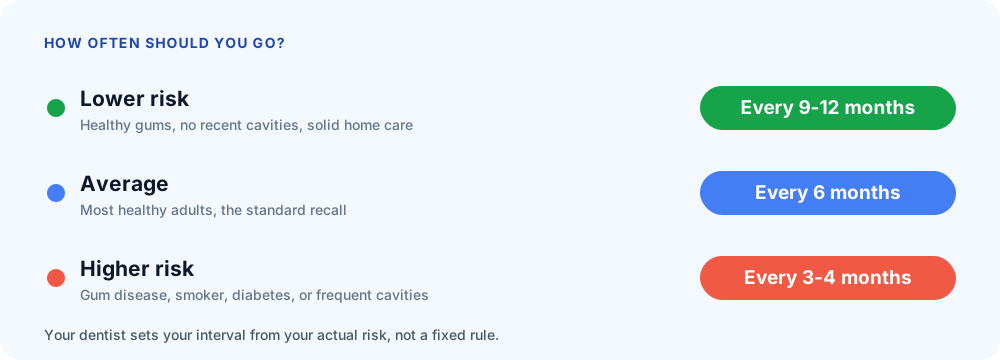
The six-month habit is a rule of thumb from decades ago, not a result of hard science. For a healthy adult with low risk it works well, because two cleanings a year keep tartar in check and let your dentist catch small problems early. But for some people it is too often, and for others it is not nearly enough.
What actually changes your interval
A good dentist sets your recall from your risk of disease, weighing things like:
- Gum health. Active gum disease often needs cleanings every 3 to 4 months to stay controlled.
- Cavity history. Frequent cavities means more frequent checks to catch new ones small.
- Medical factors. Diabetes, smoking, dry mouth, pregnancy, and some medications all raise risk.
- Home care. Consistent brushing and flossing genuinely stretches how long you can safely go.
The visit is not the goal. Catching problems while they are small and cheap is the goal, and your interval is just the tool for that.
The cost angle
Here is the part people miss: preventive visits are almost always covered in full by insurance, and the Canadian Dental Care Plan covers them for eligible residents. Skipping a free cleaning to save money usually backfires, because the small problem it would have caught becomes the expensive one later. We broke that math down in our guide to dental costs and coverage.
So, how often for you?
If you are healthy with good home care, every 6 to 12 months is reasonable. If you have any of the risk factors above, expect your dentist to suggest coming in more often, at least until things stabilize. The honest answer is that your dentist should tell you, and explain why.
Booking through Orbit shows your estimated cost up front and rewards you for completing your check-up, so the easy healthy habit stays easy.